
Navigating Thought Leadership Video Production with Ed Evarts During a Pandemic
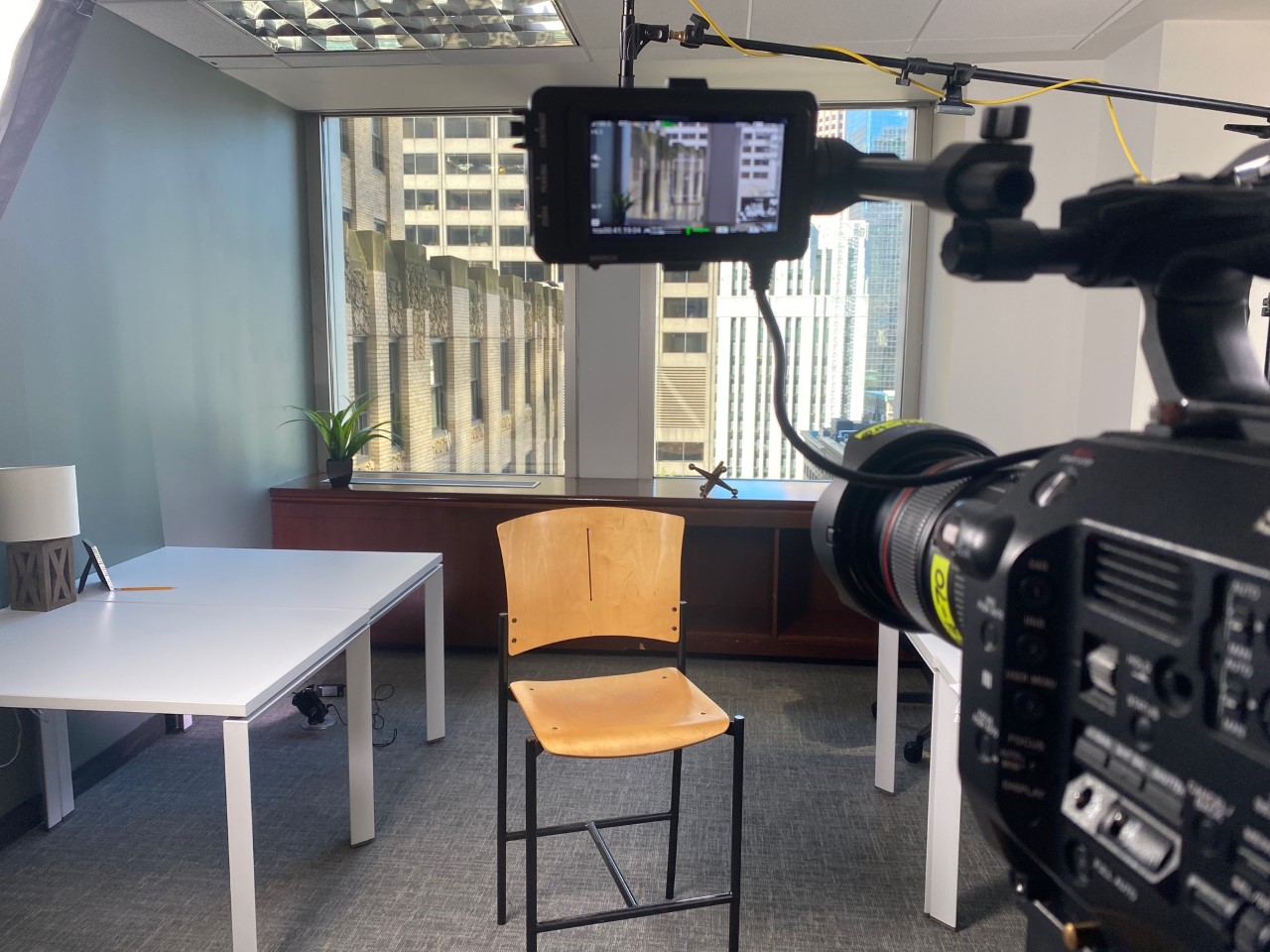
The COVID-19 pandemic has dramatically impacted the world of film, television, and media production.
From the production of movies to advertisements, many projects have been postponed, canceled, or scaled down due to restrictions on crew sizes and safety protocols.
Despite these setbacks, Skillman Video Group found a way to continue delivering top-notch service to clients.
By adhering to social distancing guidelines and state regulations, we managed to get back on set safely.
Recently, we collaborated with Ed Evarts, president of Excellius Leadership Development, to create three compelling thought leadership videos.
Table of Contents
Ed Evarts: Leadership Coach
Ed Evarts is a renowned leadership coach who focuses on guiding mid- to senior-level leaders and their teams.
With Skillman Video Group’s expertise in crafting visually engaging thought leadership content, we navigated Ed through our Discovery, Strategy, Concept, and Planning phases.
The outcome? Three original and captivating thought leadership videos promoting Ed’s brand and his upcoming book set to release in September.
Ed approached us earlier this year with this project, but it was put on hold due to the pandemic. This project marked our second time back on set since the COVID-19 outbreak.
Having completed one shoot under the new safety protocols, we were better prepared for this one. However, shooting indoors and in close proximity posed new challenges.
Discovery: Three Chapters
The Discovery phase is dedicated to understanding our clients and their objectives.
We spent time with Ed Evarts to learn about his professional background, his book, and his goals for the videos. With 17 years of experience in human resources and corporate America, it was crucial to visually convey Ed’s expertise effectively.
Ed’s book contains nine chapters, and he wanted to highlight three distinct ones through the videos. After a thorough discussion, we chose chapters that were not only engaging but also easily communicated through video.
Strategy: The Endgame
In the Strategy phase, we focused on defining the key themes and messages for the three videos.
We aimed to position Ed as an authority in workforce leadership, boost book sales, and help him build relationships with potential clients.
We decided to emphasize Ed’s expertise, compassion, empathy, and wisdom.
From these goals, we selected three chapters of Ed’s book to spotlight:
- Establishing a positive relationship with your boss
- Empathy in the workforce
- Pausing is powerful
Creative/Concept: Working Up a Formula
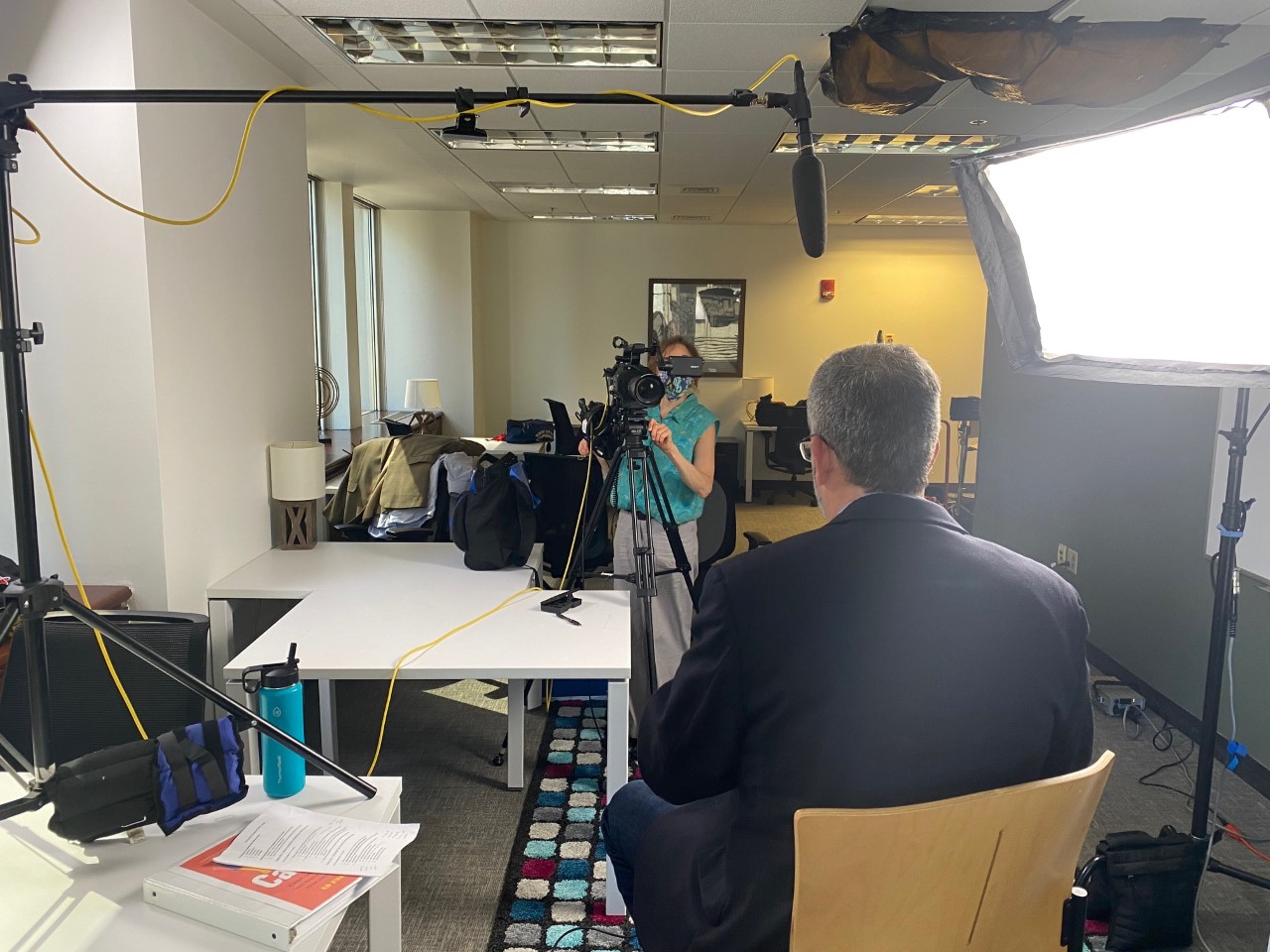
During the Creative/Concept phase, we devised a formula to ensure consistent and effective communication of Ed’s objectives across the three videos. This formula helped us maintain focus and clarity.
Our formula included three parts:
- Context: What is the problem?
- Solution: How can people solve the problem?
- Importance: Why is it crucial to solve the problem?
This structured approach allowed us to provide valuable insights while leaving enough intrigue for viewers to want to read Ed’s book.
Planning/Pre-Production: The Waiting Game
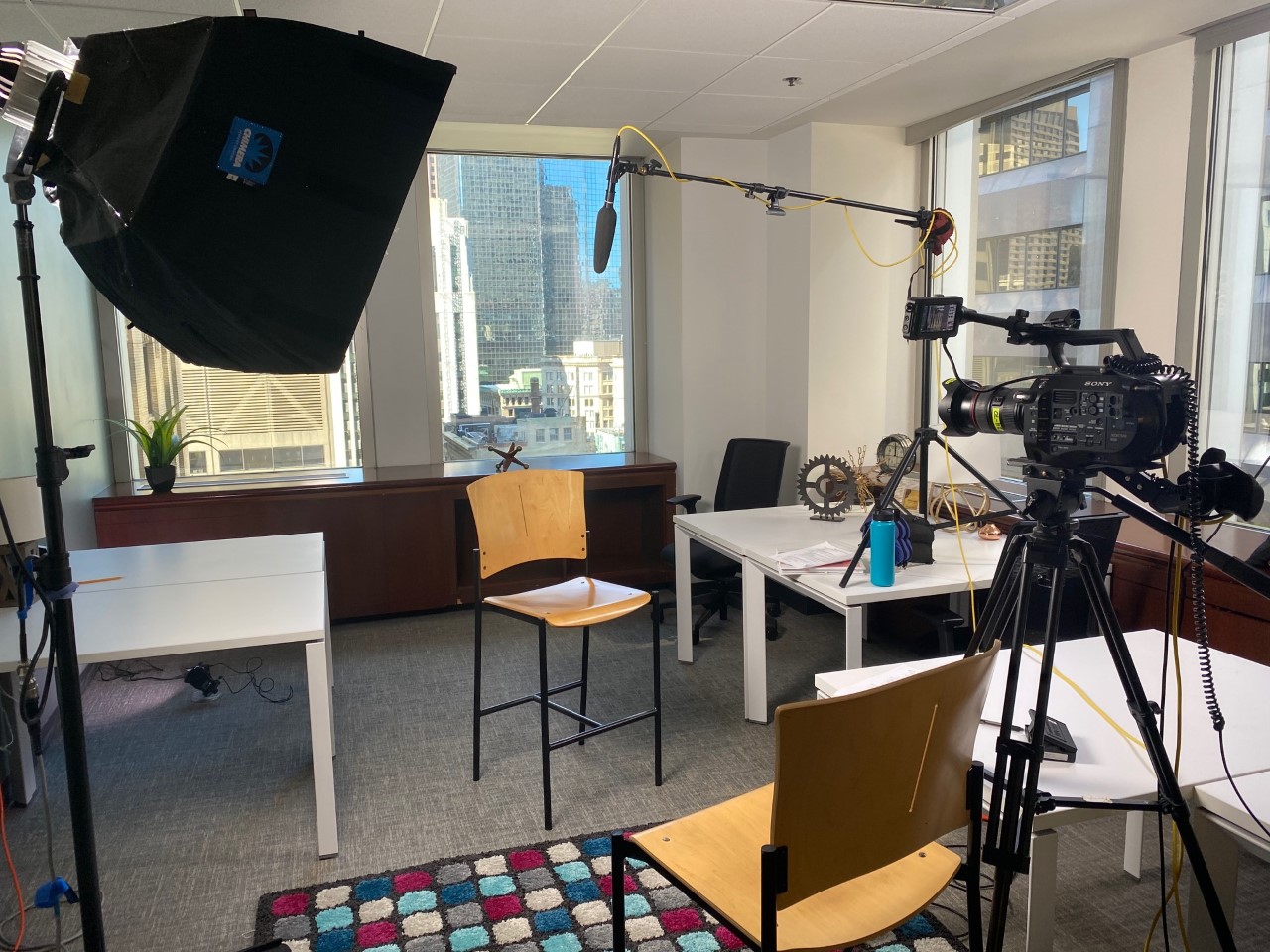
The Planning and Pre-Production phase involved organizing the technical and logistical aspects of the shoot. This step was particularly critical as we had to navigate filming in a corporate office during the pandemic.
We waited for the right moment when Boston’s restrictions eased, and everyone felt comfortable gathering.
Once we received the green light, we secured a corporate office in downtown Boston’s financial district. Given Ed’s high-end clientele, a professional office setting was essential.
We kept the crew small—just three people, including Ed. Everyone wore masks and underwent temperature checks to ensure safety.
Production: Back in Boston
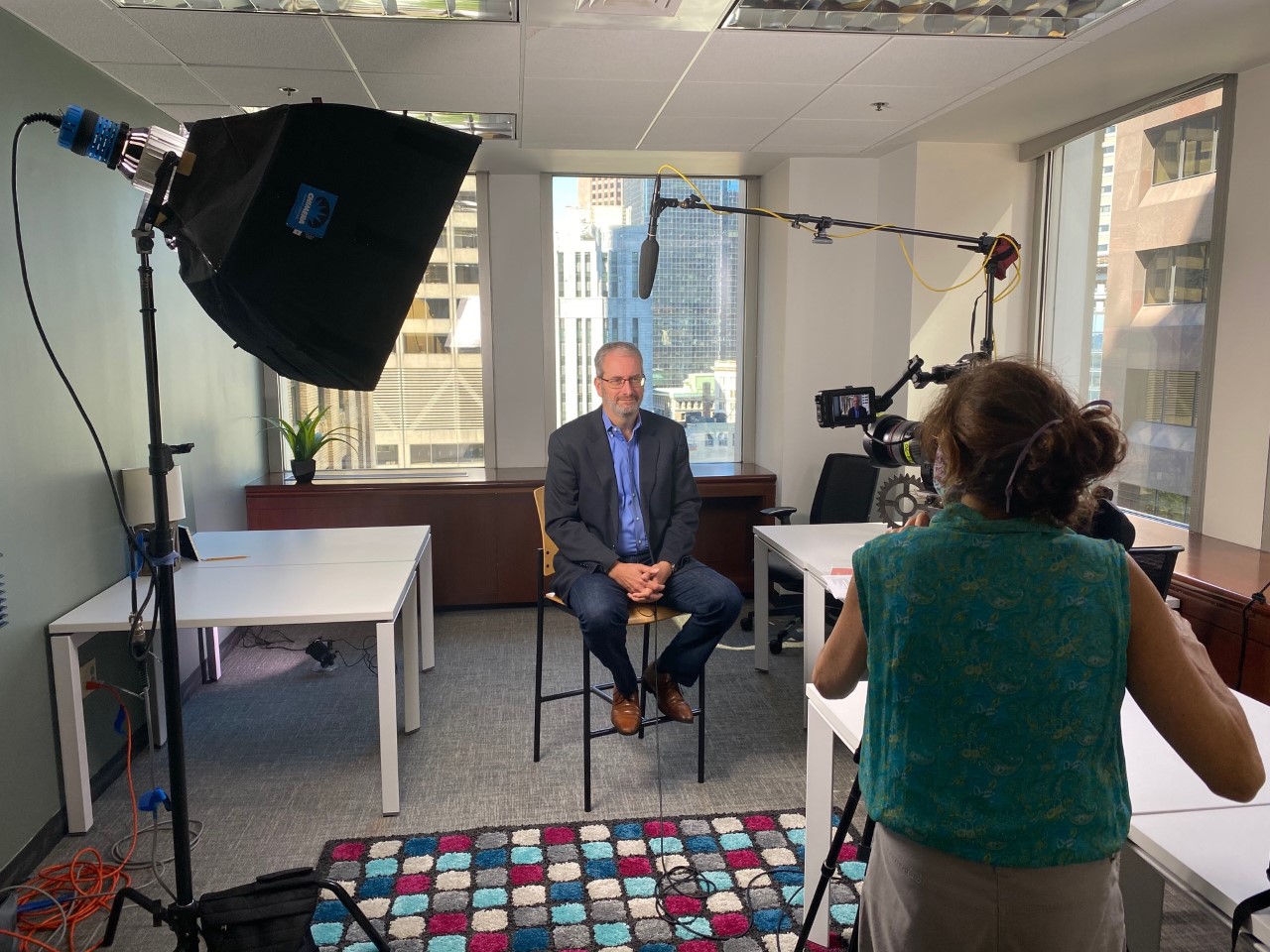
The Production phase was filled with creative decisions. We aimed to create a corporate, professional atmosphere, using the Boston skyline as a backdrop in Ed’s interviews to reflect his brand and expertise.
Initially, our camera lens blurred the cityscape, so we switched to another lens that provided clarity to both Ed and the stunning city background.
We varied the interview shots for each video to keep them visually distinct. Ed’s extensive knowledge made the interviews successful, with thoughtful, open-ended questions drawing out his key messages.
Thanks to meticulous planning, the shoot was a triumph, especially given the challenges posed by the pandemic. This successful execution was particularly rewarding under the circumstances.
The Way Forward
The next step is the Editing & Finishing phase, where we will skillfully edit the raw footage into a thought-provoking video series that showcases Ed Evarts’ brand and his new book.
The Completed Videos
Have a Positive Relationship with Your Boss
It’s All About Empathy
Pausing is Powerful
Share:
Search our blog:
Follow us on: